
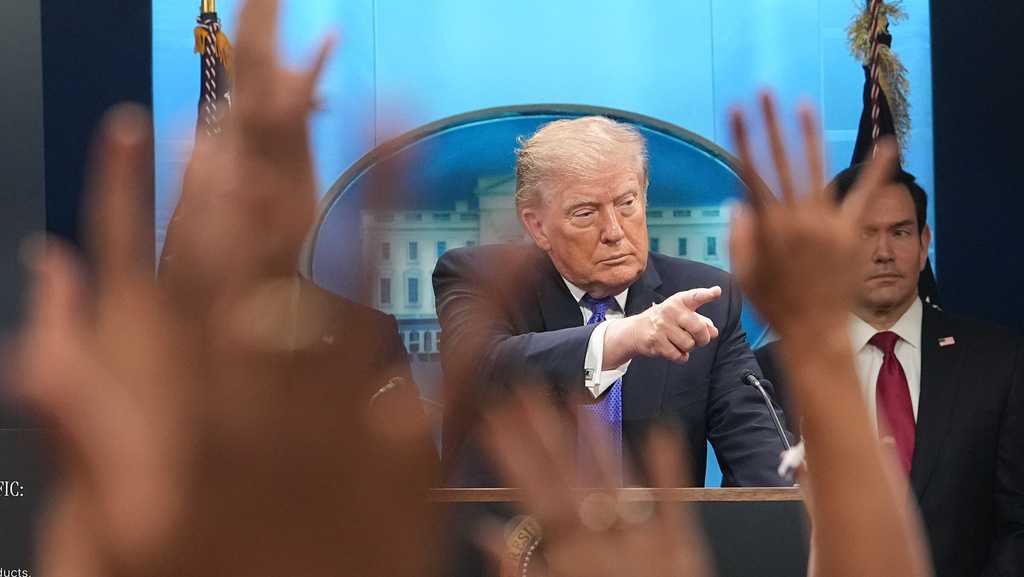
Donald Trump is downplaying a new cyber breach into the FBI crime database. At the same time, he is reviving his past complaints about the agency and its Russia probe. The report raises fresh questions about how federal agencies protect sensitive law enforcement records.
What happened with the FBI crime database breach?
News reports show that unauthorized actors managed to breach the FBI crime database. Donald Trump publicly downplayed the severity of this cyber incident while speaking about the agency. Instead of focusing only on the digital intrusion, he brought back his long-standing grievances regarding the federal investigation into his past ties with Russia.
Major federal networks have faced serious intrusions before, including the massive 2020 United States federal government data breach that struck several agencies. Law enforcement databases store sensitive files on active cases, criminal histories, and private citizen records. Any unauthorized entry into these systems triggers fast reviews by digital defense teams to stop further leaks.
Why is the FBI crime database so important?
The FBI crime database serves as the digital backbone for police officers and federal agents across the country. It holds critical details on wanted suspects, stolen property, background checks, and active warrants. When intruders target this information, police operations and public safety can face real disruptions.
Here are key reasons why securing this database matters to the public:
- Officer safety: Field officers rely on real-time files during traffic stops and arrests.
- Identity protection: Stolen records can expose innocent people to serious identity fraud.
- Case integrity: Tampered evidence or leaked tips can ruin ongoing criminal trials.
- Public trust: Citizens need confidence that their personal records remain locked away.
Any disruption to these core networks forces investigators to double-check their records by hand, which can slow down urgent police work.
How are political leaders responding to the incident?
Political reactions to federal cyber attacks often split along familiar lines. Donald Trump used his comments about the break-in to focus on his own history with the law enforcement agency. Observers following the political movement known as Trumpism note that challenging federal law enforcement has been a regular theme during his public speeches.
By brushing off the seriousness of the digital break-in, Trump shifted public attention away from the computer network itself. He focused instead on past leadership decisions inside the agency. This rhetorical pivot draws strong reactions from both supporters who distrust federal agencies and critics who want leaders to take cyber threats more seriously.
What should the public watch for next?
Investigators will spend the coming weeks trying to find out exactly who got into the network and what files they saw. Security teams must check every server log to make sure the hackers did not leave behind hidden backdoors. The agency will likely face questions from lawmakers about why basic protections failed to keep the intruders out.
Federal agencies will also review their third-party connections and login rules to stop similar digital attacks. As technical teams patch the holes, political debates over agency oversight and leadership will continue to make headlines across the nation.
Post a Comment